

Best Cultural Experiences in Downtown Kyoto
Kyoto is one of Japan’s most rewarding destinations for travelers who want to explore traditional culture. Beyond its famous temples and historic streets, the city offers opportunities to participate in Japanese customs and creative traditions firsthand.
If you are looking for a downtown Kyoto cultural experience, some of the most memorable options include preparing matcha during a tea ceremony, learning Japanese calligraphy, wearing a kimono, discovering traditional crafts and exploring Kyoto’s food culture.
Many of these activities can be enjoyed around the Shijo-Karasuma, Nishiki Market and Kawaramachi areas, where shopping streets and historic buildings sit close together.
For first-time visitors, participating in a cultural activity can offer something different from ordinary sightseeing. Instead of simply observing Japanese traditions, you can learn their meaning, practice unfamiliar skills and connect more closely with Kyoto’s heritage.
At Nishiki Orizuruya, international visitors can experience Japanese tea ceremony and calligraphy while wearing a kimono inside a historic Kyoto townhouse. The facility is approximately six minutes on foot from Hankyu Karasuma Station, making it convenient for a half-day cultural visit.
This guide introduces six ways to explore Kyoto’s culture, explains how to choose the right activity and offers practical advice for planning your experience.
Looking for a hands-on cultural experience in central Kyoto?
Discover tea ceremony, kimono dressing and traditional Japanese hospitality at Nishiki Orizuruya.
Explore the Tea Ceremony Experience
Why Choose a Cultural Experience in Downtown Kyoto?
Downtown Kyoto is an excellent place to combine hands-on cultural activities with shopping, dining and neighborhood sightseeing.
The city center includes areas such as Shijo-Karasuma, Kawaramachi and Nishiki Market. These neighborhoods are connected by railway stations and walkable streets, making it possible to enjoy several activities without traveling to distant parts of the city.
While Kyoto’s temples and shrines offer important insights into Japan’s history, cultural workshops introduce traditions through participation.
A tea ceremony helps visitors understand hospitality and the preparation of matcha. Calligraphy introduces brushwork, balance and concentration. Kimono dressing provides an opportunity to experience traditional clothing.
These activities can also deepen your appreciation of ordinary things you encounter during your trip.
After learning about matcha preparation, for example, you may look at tea utensils or tea shops with greater interest. After trying calligraphy, the brushwork of Japanese characters may feel more meaningful.
Another advantage is flexibility.
A single activity may take around 90 minutes, while a combined experience can occupy two hours or more. This makes cultural experiences suitable for travelers who want a meaningful activity without dedicating an entire day to a guided tour.
Six Cultural Experiences to Try in Downtown Kyoto
The following activities offer different approaches to Japanese culture.
Some involve actively learning a skill, while others focus on traditional clothing, historic surroundings, photography or food.
| Cultural experience | What you can enjoy | Best suited for |
| Japanese tea ceremony | Matcha preparation, tea etiquette and hospitality | First-time visitors and tea lovers |
| Japanese calligraphy | Brush writing, ink preparation and kanji artwork | Creative travelers and beginners |
| Kimono dressing | Traditional clothing and cultural activities | Couples, friends and photographers |
| Kyoto food culture | Traditional ingredients, markets and local food history | Food lovers and curious travelers |
| Kimono photography | Japanese-style portraits and travel keepsakes | Couples, families and friends |
| Traditional crafts and architecture | Craft traditions, historic buildings and artistic heritage | Art, design and history enthusiasts |
The best choice depends on whether you want to learn, create, taste, explore or preserve a special memory.
For many visitors, a combination of two activities provides a richer experience than either one alone.
1. Experience a Traditional Japanese Tea Ceremony
A Japanese tea ceremony is one of the most distinctive cultural activities available in Kyoto.
Known as sado or chanoyu, the tea ceremony is about more than drinking matcha. It brings together hospitality, carefully considered movements, traditional utensils and attention to the surroundings.
The host prepares tea for guests, paying attention to details such as the tea bowl, decorative elements and the atmosphere of the room.
For visitors unfamiliar with Japanese traditions, these details can reveal a different approach to hospitality.
What Can You Learn During a Tea Ceremony?
A beginner-friendly experience generally introduces the meaning of the tea ceremony before demonstrating how matcha is prepared.
Participants may learn about:
- The cultural background of Japanese tea ceremony
- Tea bowls, bamboo whisks and other utensils
- Basic etiquette and movements
- The preparation of powdered green tea
- The relationship between matcha and Japanese sweets
Some experiences are primarily demonstrations, while others allow guests to prepare matcha themselves.
If hands-on participation is important to you, check the course description before booking.
Try Preparing Matcha Yourself
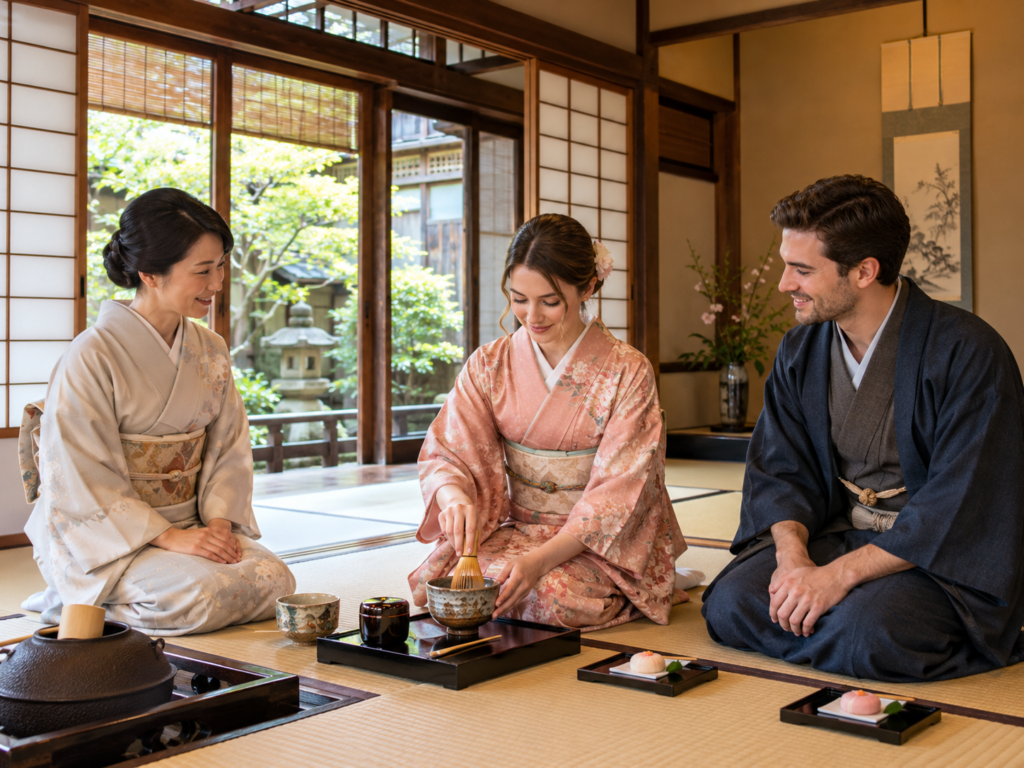
At Nishiki Orizuruya, guests can experience the Japanese tea ceremony inside a traditional tea room.
The course begins with selecting and wearing a kimono.
An instructor then introduces tea ceremony culture and demonstrates the preparation of matcha.
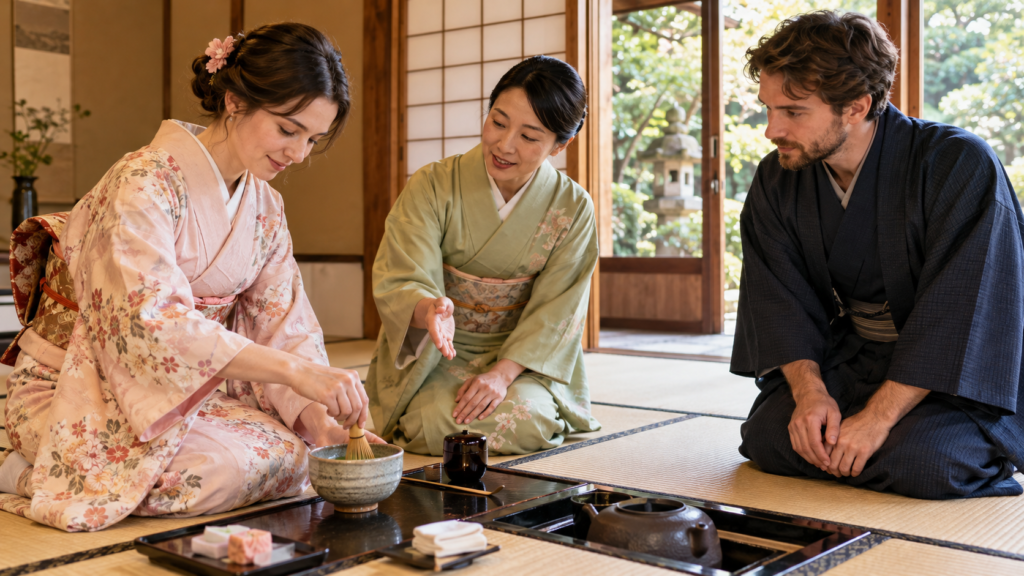
After observing the demonstration, participants use a bamboo tea whisk to prepare their own matcha with guidance from the staff.
The experience concludes with enjoying the tea alongside Japanese sweets.
The Tea Ceremony Experience is currently listed at ¥7,700 for 90 minutes, with kimono dressing included.
This is a practical choice for first-time visitors who want to experience a traditional Japanese activity without needing previous knowledge of tea ceremony etiquette.
Learn More About the Tea Ceremony in Kyoto
2. Discover Japanese Calligraphy and Create Your Own Artwork
Japanese calligraphy, known as shodo, transforms writing into an expressive art form.
Using a brush, ink and paper, participants learn how movement, pressure and balance affect the appearance of written characters.
Unlike ordinary handwriting, traditional brush calligraphy emphasizes the relationship between each stroke and the overall composition.
The result reflects the writer’s decisions, making every finished work personal.
Learn to Use a Japanese Calligraphy Brush
For beginners, a calligraphy workshop usually starts with an introduction to the tools.
These include a brush, an inkstone, an ink stick and paper.
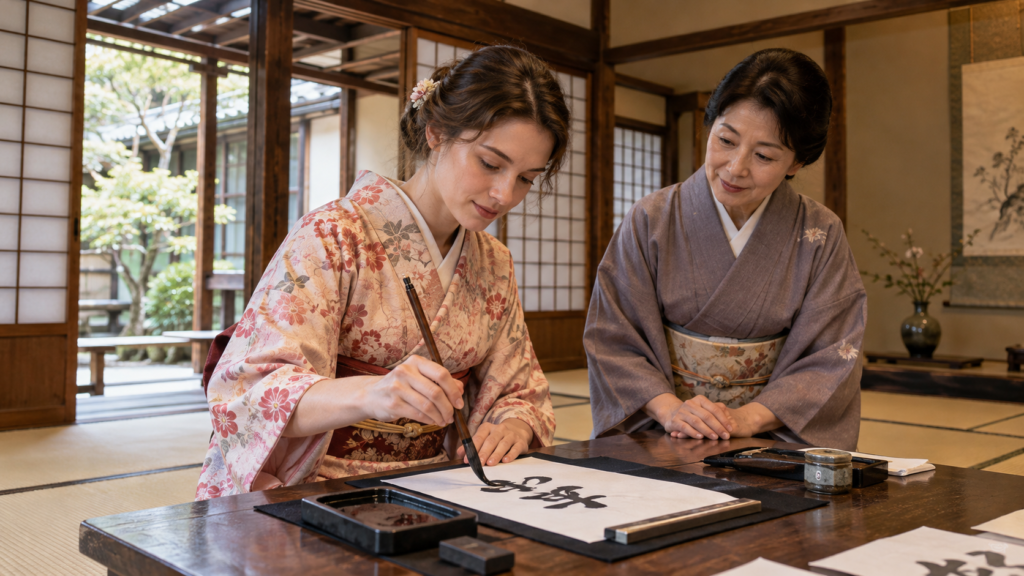
At Nishiki Orizuruya, participants learn how to hold the brush, maintain proper posture and work with the traditional materials.
They also have an opportunity to rub an ink stick on an inkstone to prepare the ink.
This slower preparation process encourages concentration before the writing begins.
Guests then choose a kanji character, practice the brush movements and create a finished piece on decorative paper.
Make a Personal Souvenir from Kyoto
One of the advantages of calligraphy is that the finished artwork becomes a reminder of the experience.
A handmade piece has a different meaning from a souvenir purchased in a shop because it records the time spent learning something unfamiliar.
Nishiki Orizuruya also introduces visitors to writing their names using Japanese kanji.
The Japanese Calligraphy Experience is currently listed at ¥7,700 for 90 minutes, including kimono dressing.
It is particularly suitable for travelers interested in Japanese language, art and creative workshops.
Explore the Japanese Calligraphy Experience
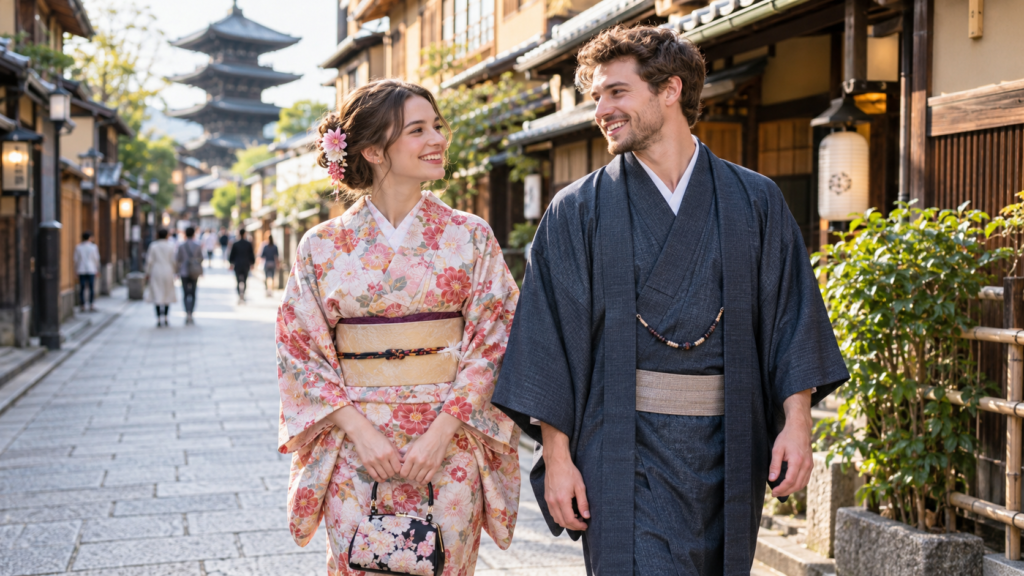
3. Wear a Kimono and Experience Kyoto’s Clothing Traditions
Wearing a kimono is another memorable way to connect with Kyoto’s cultural heritage.
A kimono is a traditional Japanese garment with a distinctive shape, wrapping method and carefully arranged sash called an obi.
The way a kimono is worn and styled forms an important part of Japanese clothing culture.
For visitors, professional dressing assistance makes it possible to experience the garment without having to learn every step beforehand.
Kimono Rental or Kimono with a Cultural Activity?
There are two common ways to enjoy wearing a kimono during a Kyoto trip.
The first is to arrange kimono dressing and spend time exploring the city.
This works well for travelers who want photographs and a leisurely walk through traditional streets.
The second is to combine kimono dressing with another cultural activity.
For example, participating in a tea ceremony or calligraphy lesson while wearing a kimono connects traditional clothing with the setting and practice of Japanese culture.
This can be particularly appealing if you have limited time and do not want to coordinate separate reservations at multiple facilities.
Kimono Dressing at Nishiki Orizuruya
Nishiki Orizuruya includes kimono dressing in its main tea ceremony and calligraphy experience courses.
Guests can choose from different colors and patterns, and staff provide assistance with dressing.
The official website also lists accessories such as bags, sandals and hair ornaments. Hair styling is available for female guests.
Participants using an eligible cultural experience or studio photography plan may also go outside wearing the kimono.
According to the current conditions, the kimono must be returned to the facility by 6:00 p.m. on the same day.
This option allows visitors to enjoy a cultural activity indoors and continue exploring downtown Kyoto in traditional clothing afterward.
View Kimono Experience Information
4. Explore Kyoto’s Food Culture Around Nishiki Market
Food is another important part of Kyoto’s cultural identity.
The city has developed distinctive ingredients, sweets and culinary traditions influenced by its long history.
A visit to Nishiki Market offers a convenient introduction to this aspect of Kyoto.
Located in central Kyoto, the market is commonly known as “Kyoto’s Kitchen.”
Its shops sell a variety of traditional ingredients and foods, including Kyoto vegetables, fish, pickles, sweets and other regional specialties.
Exploring the market helps visitors understand how local ingredients are connected to everyday life.
Learn About Food, Not Just Shopping
A cultural visit to a market is different from simply buying snacks.
Look for traditional ingredients, ask appropriate questions when shop staff are available and pay attention to how foods are prepared and presented.
Learning the background of a product can make an ordinary shopping experience more interesting.
Travelers who prefer additional explanation may also consider guided walking tours.
Nishiki Orizuruya offers a Tea Ceremony and Nishiki Market Walking Tour that includes kimono dressing, a tea ceremony and a neighborhood walk with an English-speaking guide.
The course is currently listed at ¥13,200 for 150 minutes.
It combines an indoor cultural experience with an introduction to the surrounding food and shopping district.
Respect Nishiki Market’s Visitor Guidelines
Nishiki Market is a working shopping street, not only a tourist attraction.
Because the street can become crowded, visitors should avoid blocking passages and follow the guidance of individual shops.
The official tourism guidance requests that visitors do not eat while walking through the market.
Purchased food should be enjoyed at the selling shop, in an appropriate designated eating area or taken away.
Shop opening hours differ, so check specific businesses if you have particular foods or products in mind.
Explore the Tea Ceremony and Nishiki Market Tour
5. Capture Kyoto Memories with Kimono Photography
Photography can also form part of a cultural visit.
Wearing a kimono creates an opportunity to preserve a visual memory of traditional Japanese clothing, especially when photographs are taken in a setting that complements the experience.
Travelers can photograph themselves while exploring suitable public streets, or choose a studio photography package.
The two options have different advantages.
Outdoor photography captures the atmosphere of Kyoto’s neighborhoods, while studio photography offers a more controlled setting and dedicated photographic arrangements.
Studio Photography at Nishiki Orizuruya
Nishiki Orizuruya offers a Japanese-style photography studio inside its facility.
The studio uses Kyoto-inspired backgrounds and accessories such as traditional umbrellas and decorative Japanese items.
The official website currently lists two main photography packages:
- Two photographs with printed photos and a photo frame: ¥11,000
- Two photographs with digital image data: ¥11,000
Kimono dressing is included in the studio shooting plans.
Other photographic products and additional options are also listed separately.
A studio session can be especially appealing to couples, friends and families who want a keepsake from their Kyoto trip.
It is important to distinguish this photography plan from the tea ceremony and calligraphy courses, as the packages have different inclusions and prices.
View Kimono Photography Options
6. Appreciate Kyoto’s Traditional Crafts and Historic Architecture
Not every cultural experience requires a formal lesson.
Kyoto’s crafts, architecture and decorative traditions can also be explored through observation, exhibitions and carefully chosen visits.
Throughout the city, visitors can encounter Japanese textiles, ceramics, decorative objects, incense and other forms of craftsmanship.
In downtown Kyoto, traditional shops and historic buildings provide opportunities to appreciate these cultural details.
Discover the Craft Behind Everyday Objects
Japanese crafts often combine practical function with careful attention to materials and appearance.
A tea bowl, for example, is useful for drinking matcha, but its shape, surface and weight are also important to the tea experience.
A kimono involves decisions about fabric, pattern and color.
A calligraphy brush is a tool, but the way it is constructed and handled influences the final artwork.
Taking time to observe these objects helps connect the different cultural activities you experience.
Travelers interested in making a craft themselves can look for independently operated workshops through current listings from Kyoto’s official tourism organizations.
However, craft programs vary by provider, and you should confirm the actual workshop, materials, language support and reservation requirements before booking.
Step Inside a Historic Kyoto Townhouse
The setting of a cultural experience can be as meaningful as the activity itself.
Traditional Kyoto townhouses, known as machiya, are part of the city’s architectural heritage.
They provide a contrast to modern commercial buildings and can help visitors appreciate the relationship between everyday life and traditional Japanese spaces.
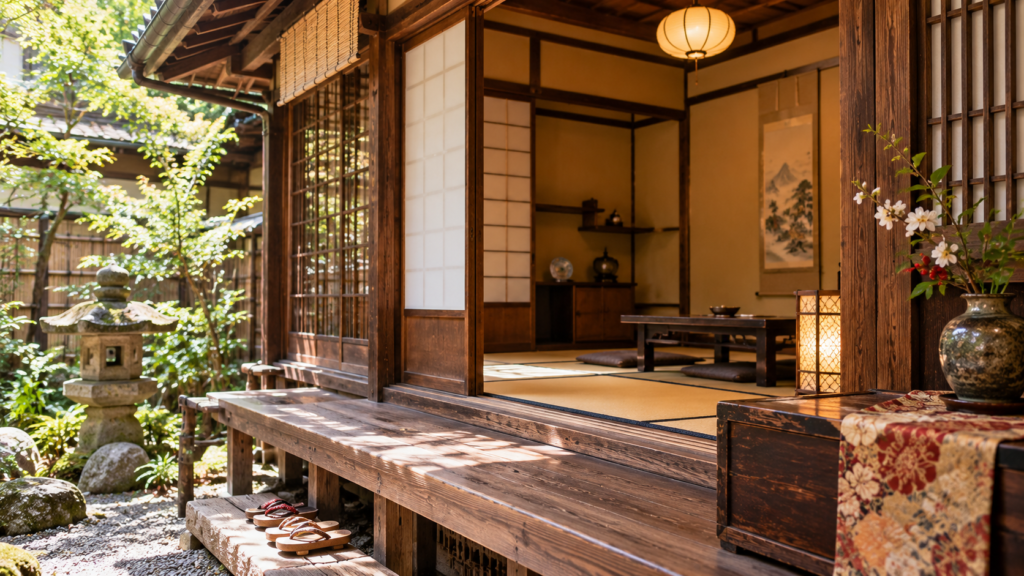
Nishiki Orizuruya operates inside a historic Kyoto townhouse more than 100 years old.
The building is associated with Morgan Oyuki, also known as Kato Yuki, and the former Morgan residence.
Traditional architectural and decorative features form part of the setting for its cultural experiences.
Participating in tea ceremony or calligraphy in such a building adds historical context to the activity.
It allows visitors to appreciate the atmosphere of a traditional Kyoto space while learning about Japanese culture.
How to Choose the Right Cultural Experience in Kyoto
With so many possibilities, the most useful starting point is to decide what you want to take away from the activity.
Best for First-Time Visitors: Tea Ceremony
Choose a tea ceremony if you want a gentle introduction to Japanese hospitality and traditional customs.
An instructor-led session can explain unfamiliar movements while allowing you to experience matcha preparation in a traditional setting.
The activity also fits comfortably into many half-day sightseeing plans.
Best for Creative Travelers: Calligraphy
Choose calligraphy if you enjoy art, language, drawing or making things by hand.
The process is interactive, and the final artwork provides a personal souvenir.
You do not need previous experience with Japanese writing to participate in a beginner-friendly class.
Best for Couples and Friends: Kimono and Photography
Kimono dressing and photography are appealing for people traveling together.
Choosing different patterns and taking photographs can become part of the shared experience.
A cultural activity such as tea ceremony can add another dimension beyond the photographs themselves.
Best for Travelers Who Want Two Activities: Tea Ceremony and Calligraphy
If you want to explore more than one Japanese tradition without visiting different venues, a combined course is a practical option.
Nishiki Orizuruya’s Tea Ceremony and Calligraphy Experience is listed at ¥13,200 for 120 minutes, with kimono dressing included.
It combines the hospitality and preparation of matcha with the creative process of brush writing.
Best for Food Lovers: Tea Ceremony and Guided Market Walk
For travelers who enjoy learning about the culture behind food, the combination of tea ceremony and Nishiki Market offers two complementary perspectives.
A tea ceremony introduces matcha, sweets and hospitality, while the market walk provides an introduction to Kyoto’s ingredients and local commercial history.
The guided course at Nishiki Orizuruya includes English-speaking assistance during the neighborhood walk.
Best for Travelers on a Short Schedule: Choose One Main Activity
If you have only a few hours, avoid trying to fit every experience into one visit.
A focused 90-minute activity, combined with a relaxed walk or lunch nearby, may be more enjoyable than rushing between several reservations.
The aim is not simply to complete as many activities as possible, but to have enough time to appreciate the experience you choose.
Experience Multiple Kyoto Traditions at Nishiki Orizuruya
One of the practical challenges of planning cultural activities is arranging several experiences across different locations.
You may need to coordinate kimono dressing, a workshop, transportation and other sightseeing reservations.
Nishiki Orizuruya offers another approach by combining several elements of traditional Japanese culture in one historic facility.
Its main cultural experience courses include kimono dressing, allowing visitors to take part in tea ceremony, calligraphy or a combined program while wearing traditional clothing.
The townhouse setting also adds a distinctive architectural and historical background to the experience.
What Happens During a Combined Experience?
A Tea Ceremony and Calligraphy Experience introduces two different cultural traditions during a single visit.
Guests first receive assistance with kimono dressing.
During the tea ceremony portion, they learn about Japanese tea culture, observe tea preparation and try making matcha.
The calligraphy portion introduces traditional writing tools, brush technique and the process of creating a personal work.
Together, these activities offer different forms of participation.
The tea ceremony emphasizes hospitality, observation and preparation, while calligraphy encourages individual expression and concentration.
The combined course is currently listed at 120 minutes.
Enjoy tea ceremony and traditional Japanese culture in one visit.
Discover kimono dressing, matcha preparation and cultural experiences inside a historic Kyoto townhouse.
View Nishiki Orizuruya’s Tea Ceremony Plans
Cultural Experience Prices and Durations in Downtown Kyoto
The cost and length of a Kyoto cultural workshop depend on the provider, the included activities and the booking conditions.
For travelers comparing options, it is important to check whether kimono dressing, equipment, instruction and any photography are included.
At Nishiki Orizuruya, the following main cultural experience courses are currently listed:
| Experience course | Listed price | Duration |
| Japanese Tea Ceremony | ¥7,700 | 90 minutes |
| Japanese Calligraphy | ¥7,700 | 90 minutes |
| Tea Ceremony + Calligraphy | ¥13,200 | 120 minutes |
| Tea Ceremony + Nishiki Market Walking Tour | ¥13,200 | 150 minutes |
These four listed cultural experience courses include kimono dressing.
The studio photography plans are separate options with their own pricing and inclusions.
Prices and course conditions may change. Always check the latest official details and available reservations before booking.
Other independent Kyoto workshops may have different prices, durations, age conditions, group arrangements and language support.
Avoid comparing activities on price alone. What you actually get to do, and how much guidance you receive, are equally important.
How to Plan a Half-Day Cultural Experience in Downtown Kyoto
A successful half-day itinerary should provide time for both the main activity and the surrounding neighborhood.
The Shijo-Karasuma, Nishiki Market and Kawaramachi areas are convenient for this because visitors can combine cultural experiences with nearby shopping and dining.
Example: A Relaxed Morning of Kyoto Culture
The following is an illustrative itinerary, not a list of confirmed reservation times.
| Time | Suggested activity |
| 9:30 a.m. | Explore downtown Kyoto and enjoy a short neighborhood walk |
| 10:00 a.m. | Arrive for a pre-booked cultural experience, if that reservation time is available |
| 10:00 a.m.–12:00 p.m. | Tea Ceremony and Calligraphy Experience |
| 12:00 p.m. | Lunch in central Kyoto |
| 1:00 p.m. | Browse traditional shops or explore the surrounding streets |
The two-hour experience shown here is based on the listed duration of the combined course.
The 10:00 a.m. start is only an example and must be confirmed through the booking system.
Example: An Afternoon Centered on Tea Ceremony
For a simpler plan, spend the morning visiting the neighborhood before attending a tea ceremony.
After lunch, join a reserved 90-minute experience and enjoy the remainder of the afternoon at your own pace.
If you plan to continue walking outside in a kimono, check the facility’s return requirements and allow enough time to change back.
Allow Time Between Activities
Do not schedule independent reservations too closely together.
Even when attractions appear close on a map, you may need extra time for unfamiliar streets, station exits, busy sidewalks and check-in procedures.
A little flexibility also gives you time to discover shops and interesting details that were not part of the original plan.
Practical Information: Location, Clothing and Booking
Getting to Nishiki Orizuruya
Nishiki Orizuruya is located in central Kyoto, close to the Nishiki Market and Shijo-Karasuma areas.
According to its official website, the walking distances are approximately:
- 6 minutes from Hankyu Karasuma Station
- 8 minutes from Hankyu Kyoto-Kawaramachi Station
- 8 minutes from Shijo Subway Station
Address:
Nishiki Orizuruya
452 Jumonji-cho, Yanaginobanba-dori, Takoyakushi-sagaru, Nakagyo-ku, Kyoto 604-8121, Japan
Official opening hours: 9:30 a.m.–6:00 p.m.
What Should You Wear or Bring?
For the main cultural experience courses, kimono dressing is included.
The venue provides kimono-related accessories, and staff assist guests with dressing.
Visitors should check any specific clothing, sizing or personal requirements with the facility in advance.
For other workshops, clothing requirements vary. Some may require comfortable clothing, while others may provide protective materials or special equipment.
Avoid assuming that all cultural experience providers offer the same services.
Is Advance Booking Necessary?
It is sensible to book timed workshops before building the rest of your itinerary.
A confirmed activity gives your sightseeing day a useful structure and reduces the risk of arriving when a course is unavailable.
Nishiki Orizuruya advises that late arrivals may not be able to receive their booked experience.
Check the current reservation conditions and allow enough time to reach the facility.
Who Can Participate?
Nishiki Orizuruya operates as a facility for international visitors.
Its Japanese-language official website states that Japanese customers are not accepted, including customers who have made reservations.
If your group includes Japanese participants, confirm eligibility before planning a visit.
For children, accessibility needs, special accommodation requests or group participation, do not assume that every course has identical conditions.
Contact the provider before booking if these details are important to your visit.
Frequently Asked Questions About Kyoto Cultural Experiences
What is the best cultural experience for a first-time visitor to Kyoto?
A Japanese tea ceremony is an accessible introduction to traditional hospitality, matcha and Japanese etiquette. For travelers interested in creative activities, a beginner-friendly calligraphy lesson is another excellent option.
Can I experience tea ceremony and calligraphy on the same day?
Yes. Nishiki Orizuruya offers a combined Tea Ceremony and Calligraphy Experience lasting approximately 120 minutes. Kimono dressing is included in the listed course.
Do I need to know Japanese to participate?
Some Kyoto cultural experience providers offer instruction or assistance in English. Nishiki Orizuruya is intended for international visitors, and its Nishiki Market walking tour specifically includes an English-speaking guide. Confirm language support for your chosen course when booking.
Is kimono dressing included in the experience?
It depends on the provider and plan. At Nishiki Orizuruya, kimono dressing is included in the main tea ceremony and calligraphy experience courses listed in this guide.
Can I take home something I make?
Some cultural workshops produce a physical souvenir. At Nishiki Orizuruya, the calligraphy experience includes creating a finished piece on decorative paper that visitors can take home.
Are cultural experiences in downtown Kyoto suitable for rainy days?
Many tea ceremony, calligraphy and craft activities take place indoors, making them useful options when the weather is poor. You may still need to walk outside between stations, restaurants and venues.
How long should I allow for a traditional cultural experience?
Duration varies. Nishiki Orizuruya currently lists its individual tea ceremony and calligraphy courses at 90 minutes, its combined course at 120 minutes and its tea ceremony with market walking tour at 150 minutes.
Can I go sightseeing while wearing a kimono?
At Nishiki Orizuruya, guests using eligible cultural experience or photography plans can go outside wearing their kimono. The official website requires guests to return to the facility by 6:00 p.m. on the same day.
Is a cultural workshop different from visiting a temple?
Yes. A temple visit usually centers on observing a religious or historic site, while a workshop involves instruction and participation. Both can contribute to a deeper understanding of Kyoto when combined thoughtfully.
Explore More Kyoto Cultural Experiences
If you are planning additional activities around central Kyoto, these guides can help you organize your visit:
- Best Cultural Experiences Near Nishiki Market in Kyoto
- Best Things to Do Near Nishiki Market in Kyoto
- More Kyoto Travel and Culture Articles
For details about individual activities, visit Nishiki Orizuruya’s official Tea Ceremony, Calligraphy and Kimono pages.
Make Your Kyoto Visit More Memorable with a Cultural Experience
Downtown Kyoto offers more than convenient shopping streets and well-known sightseeing attractions.
It is also a place where travelers can engage directly with Japanese traditions through tea ceremony, calligraphy, kimono, food culture, photography and the arts.
The most rewarding activity is not necessarily the longest or most elaborate. It is the one that matches your interests and gives you time to appreciate what you are learning.
At Nishiki Orizuruya, visitors can explore traditional Japanese culture inside a historic Kyoto townhouse, with kimono dressing included in the main cultural experience courses.
Whether you choose to prepare matcha, create calligraphy or combine both activities, participating in a traditional cultural experience can add a memorable personal dimension to your Kyoto journey.
Experience Kyoto beyond sightseeing.
Wear a kimono, discover Japanese tea culture and prepare your own matcha at Nishiki Orizuruya.